
Welding Plastic Tanks
Weeks after having discovered a crack in the second water tank, it was finally that settled the company would compensate $500 towards the purchase of a new tank. $500 would just about cover the costs to drive the five hours, one direction mind you, for the replacement tank. And since it has been a rainy spring meaning thousands of gallons of water had been lost due, there was no time like the present to get the tank.
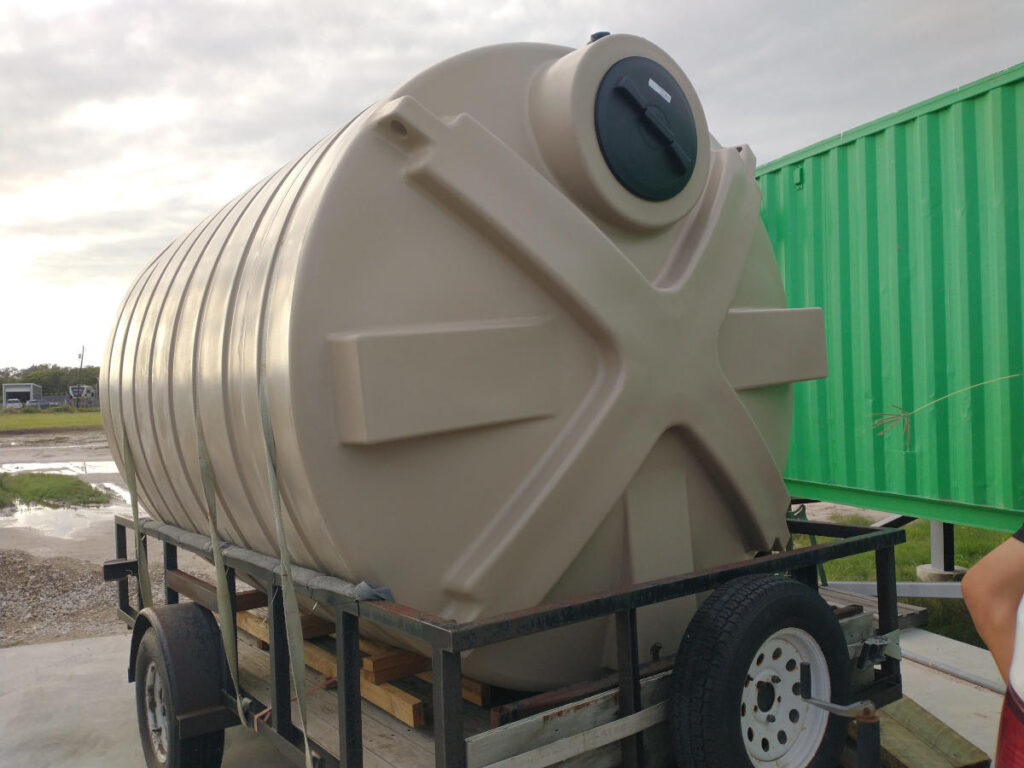
Rain was a understatement. It rained all the way there and all the way back and apparently it rained the entire time we were gone as there was a swamp in the yard upon our return. Ruts will be have to fixed later as the tank needs to be installed as more rain is coming over the weekend. Lets go!

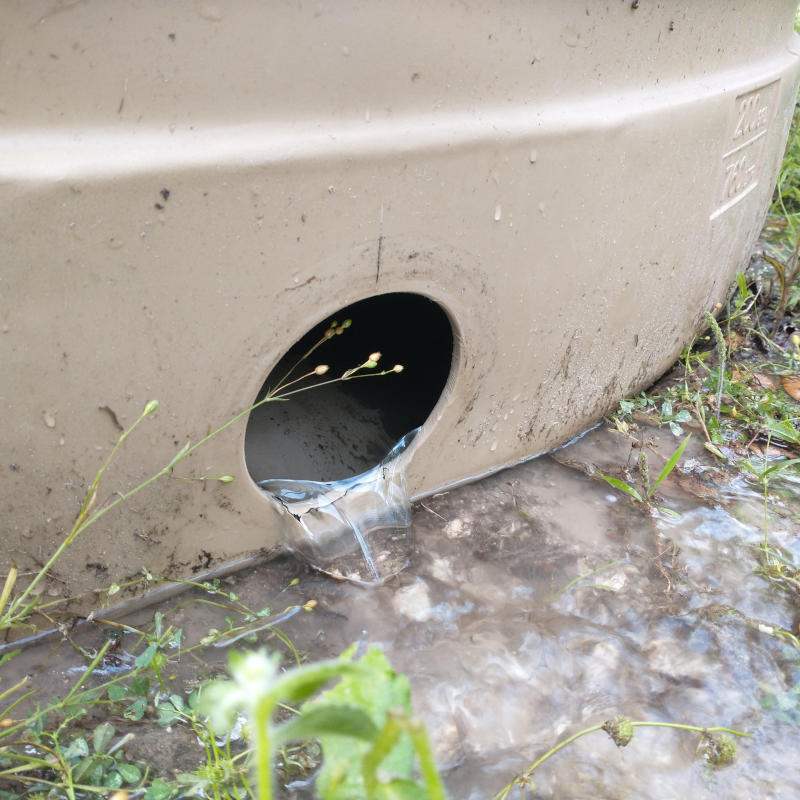
Needing to remove the old tank first required some effort as these tanks are HUGE. In case you didn’t notice by the picture with the tank on the 16′ trailer. They are huge. Lightweight, relatively speaking, so they can be moved by hand with some effort. Good thing too as the location is not conducive to getting a forklift above the tank for lifting. Before the tank could be moved, the water lines had to be taken apart and the fitting has to be removed. Just when we thought the tank was empty, the line an fitting removal dumped another half dozen gallons of water onto the already saturated ground.

Dumping the tank on its side was simple enough but moving it out of the way turned into some effort as we could not spin it around to roll as there were too many trees and bushes in the way. Instead it had to be pulled from the top onto the neighbors driveway where it could then be picked up and moved with the forklift. Good thing they don’t live there.


Moving the new tank into place was simple enough. The trickiest part was driving through the yard while not setting stuck in the mud. The Planner stayed to the grassy sections where available. When the Kid was happy with the alignment, the forklift lifted the tank into place. It was scary for a moment or two when we all thought it was going to topple over onto the water station platform. That would have been a disaster.
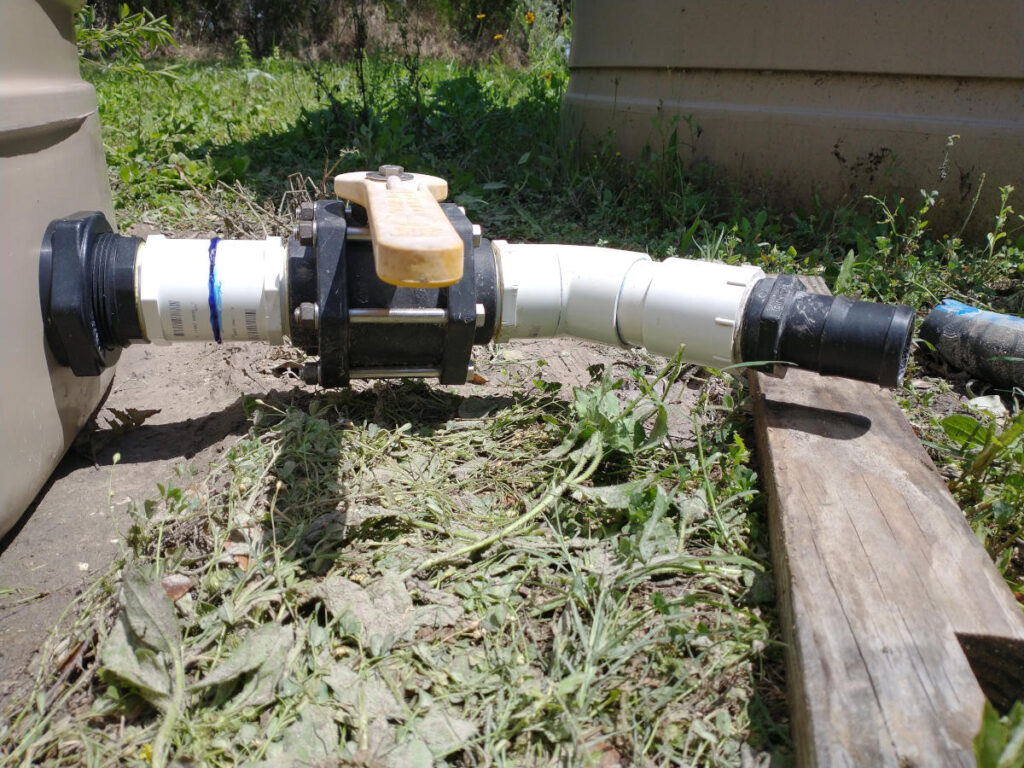
As you can see, the tank is not in exact previous location. Not for the lack of trying as we moved and moved and moved it but all movement only resulted in twisting and turning not sliding. In fact, the only thing sliding were our feet on the soggy grass. Luckily the Planner planned ahead and the water line was flexible enough with extra play that the additional six inches was not an issue.
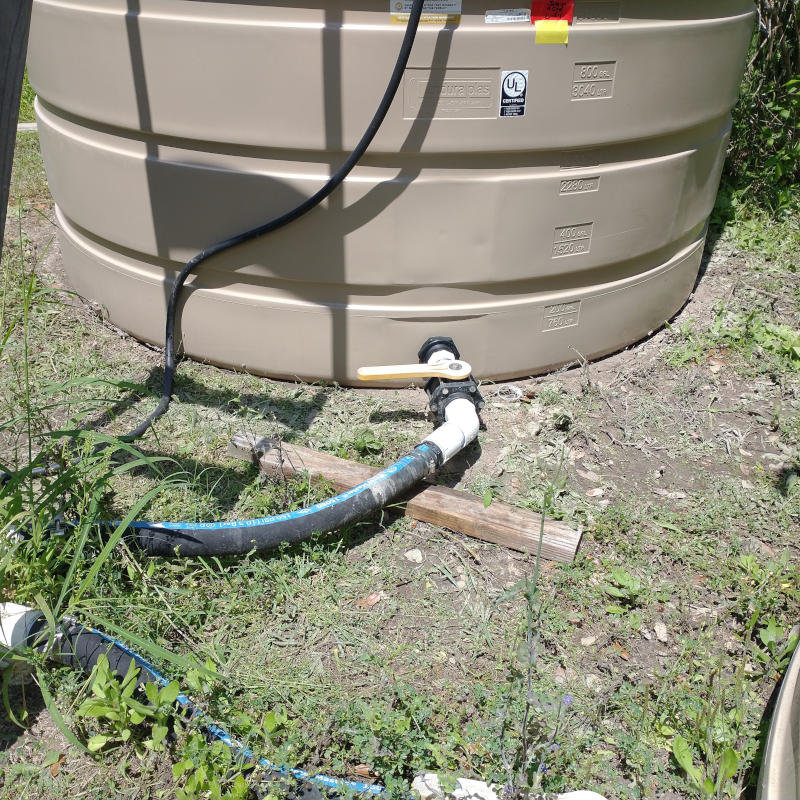

Water lines were reattached, sump line was screwed into inlet, and water from under the box holding tanks were drained into the new 3000 gallon tank. Yeah! Bring on the rain.


A few days later when the Planner needed a break from Shower Tile the cracked tank was plastic welded. I mean, why not? The Planner welds with all other forms of metal welding so why not plastic welding. Same concept, right? Fusing two pieces of material with a heat source. Plastic instead of metal and cords instead of wire or stick. Plastic was prepped at crack link and a replacement circle was cut and tapped in place of water fitting.
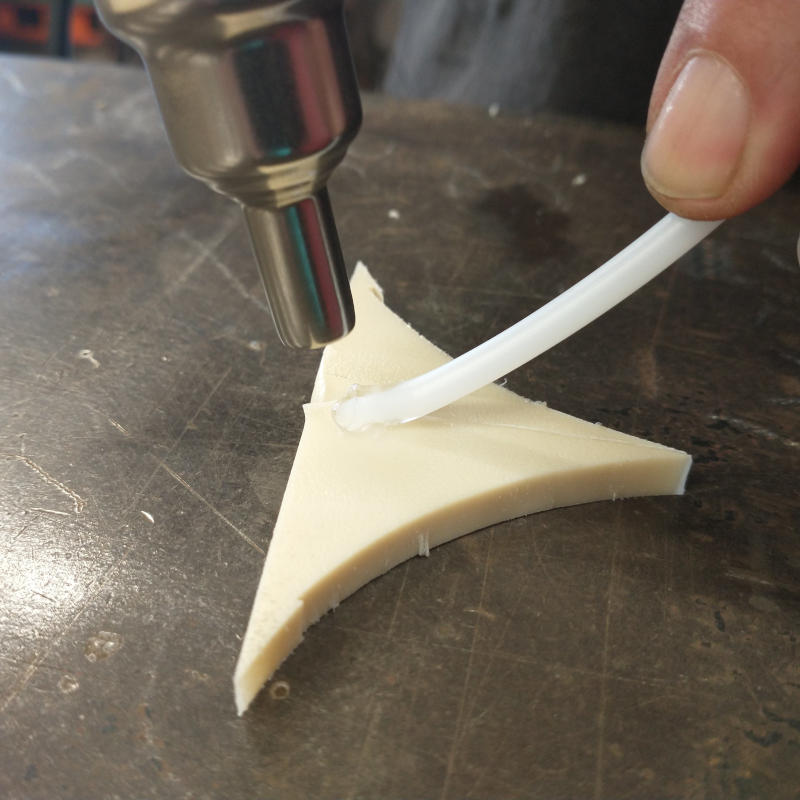

Practice makes perfect and it is better to practice on scrap plastic rather than a water tank. See how the plastic rod changes from white to clear? This is how the specifications state to know when the correct temperature has been reached between the two materials. Yes, this tank was compensated and we have a new one. However, if the Planner can salvage this tank as the manufacturer said could be done, then Boxes in Fields has a refurbished water tank saving $4500. New tanks since COVID are very expensive. Besides, the plan is to have four to five water tanks once all buildings are collecting water. Waste not, want not.


Starting at the crack line first, the plastic rod was fused into place. Spot welds were placed around the circle to secure into place allowing the tape to be removed before perimeter was welded. Slow and steady, maintain consistent heat and distance.

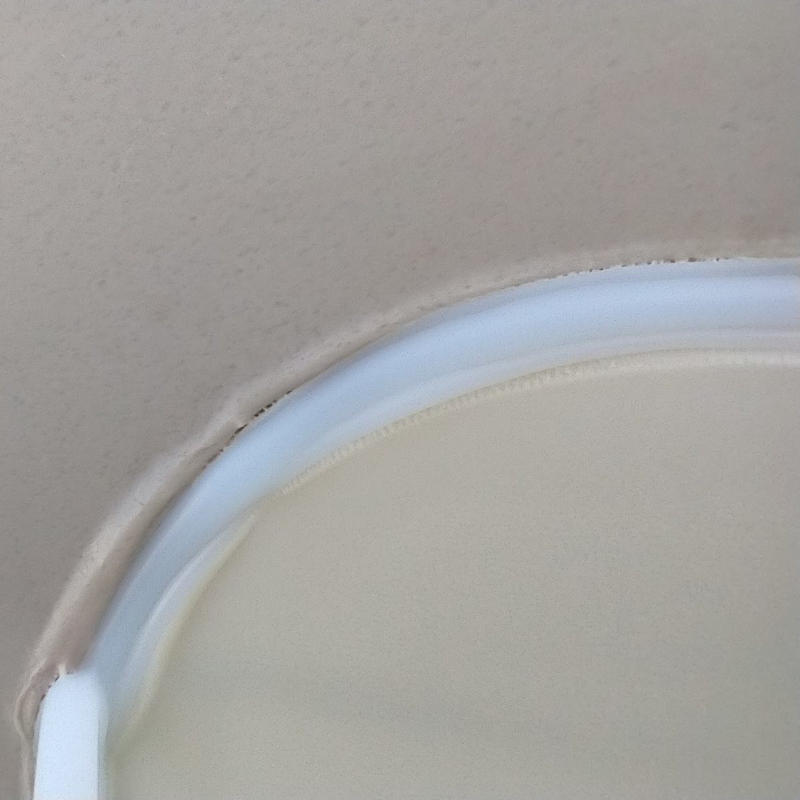
One loop around and it was done. Took longer to set up and test practice than it did to actually weld the plastic. And it looked good, too. Until later when the tank cooled back to ambient temperature. Somewhere during the cooling process the plastic rod separated from the outside edge of the tank. Guess more heat was needed. Drat.
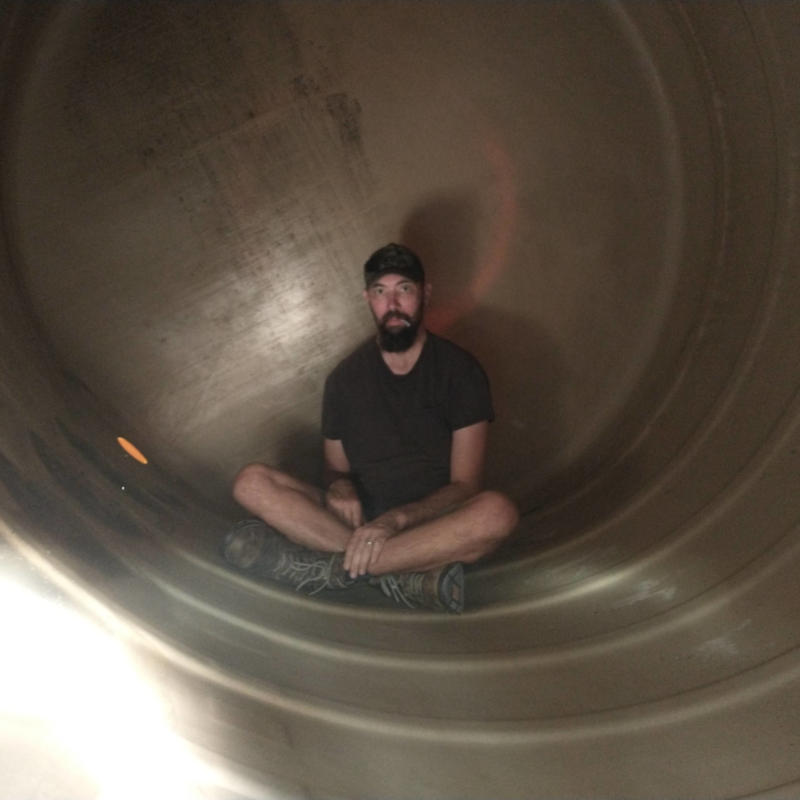
Upon further inspection from inside the tank, the Planner called this attempt a complete failure as the holes are easily seen from within the tank meaning the two plastics were not properly fused together. Next time, more heat. But not today. Tomorrow or day after. Right now I need ice cream!